
Introduction
The theological differences between Catholicism and Lutheranism have been at the heart of religious discussions and debates since the Protestant Reformation in the 16th century. While both traditions share a Christian foundation, they diverge on several key doctrinal points. In this article, we will delve into some of the core beliefs and doctrines that distinguish these two Christian traditions. We will examine their contrasting views on salvation, faith and works, and the understanding of the sacraments. Additionally, we will explore their differences in beliefs related to transubstantiation, the priesthood, and the veneration of saints.
For more similarities and differences between Catholicism and Lutheranism see Catholicism vs. Lutheranism.
Doctrine of Salvation between Catholicism and Lutheranism
✟ Catholicism:
Catholic theology teaches the doctrine of salvation through faith and works. According to Catholic doctrine, faith is the foundation of salvation, but it must be accompanied by good works. Catholics believe that individuals must cooperate with God’s grace and perform acts of charity and righteousness to attain salvation. This synergy between faith and works is rooted in the biblical tradition and has been a consistent teaching of the Catholic Church.
֍ Lutheranism:
In contrast, Lutheranism, which stems from the teachings of Martin Luther, emphasizes salvation by grace through faith alone. Luther rejected the idea of humans contributing to their salvation through good works, asserting that faith in Jesus Christ is sufficient for salvation. This doctrine is summarized in the famous phrase “sola fide” (faith alone), and it represents a fundamental difference between Lutheranism and Catholicism.
Understanding of the Sacraments of Catholicism and Lutheranism
✟ Catholicism:
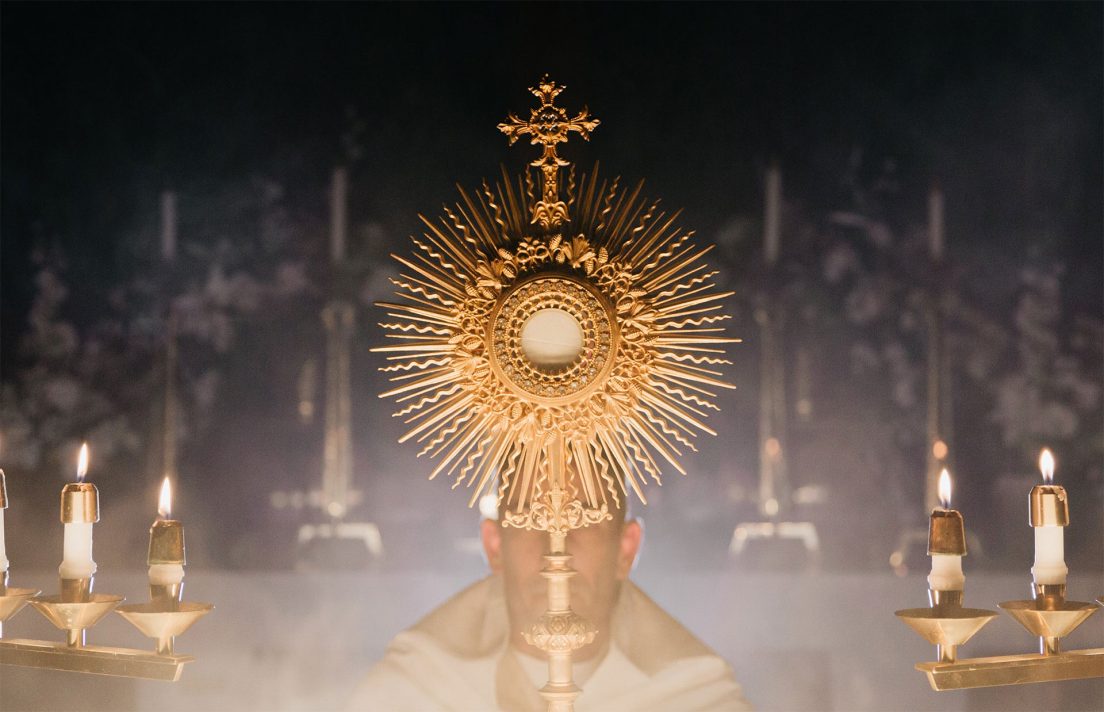
The Catholic Church recognizes seven sacraments, which include baptism, confirmation, Eucharist, reconciliation, anointing of the sick, holy orders, and matrimony. Among these, the Eucharist (Holy Communion) holds a central place in Catholic worship. Catholics believe in the doctrine of transubstantiation, which teaches that during the Eucharistic celebration, the bread and wine become the actual body and blood of Christ, though the appearance remains unchanged.
֍ Lutheranism:
Lutherans also recognize baptism and the Eucharist as sacraments, but they differ in their interpretation of the Eucharist. Lutherans hold a belief in the “real presence” of Christ in the Eucharist, but they do not accept the doctrine of transubstantiation. Instead, they hold to the idea of “consubstantiation,” which suggests that Christ’s presence coexists with the bread and wine without a change in their substance.
The Role of the Priesthood between Catholicism and Lutheranism
✟ Catholicism:
Catholicism places great importance on the hierarchical priesthood. The Catholic Church believes in the apostolic succession, asserting that the authority to administer the sacraments and govern the Church is passed down through the laying on of hands from the apostles to the bishops and priests. Priests in the Catholic tradition play a crucial role in mediating between God and the congregation, particularly in the sacraments.
֍ Lutheranism:
Lutherans have a different perspective on the priesthood. Lutheranism rejects the idea of a separate and exclusive priesthood class. Instead, they emphasize the “priesthood of all believers,” which means that all baptized Christians have equal access to God and the authority to intercede on their own behalf. This concept was central to Luther’s reformation and represents a significant departure from Catholic hierarchical structure.
Veneration of Saints between Catholicism and Lutheranism
✟ Catholicism:
The veneration of saints is a prominent aspect of Catholic piety. Catholics believe in the intercession of saints, which means that saints can pray on behalf of the living and provide assistance or guidance. The Virgin Mary holds a unique position in Catholicism, and the veneration of saints often includes the use of religious icons and relics.
֍ Lutheranism:
Lutherans, on the other hand, generally have a more reserved view of the veneration of saints. While they may respect and honor the saints as exemplary believers, they do not seek their intercession in the same way as Catholics do. Lutheranism tends to place a stronger emphasis on the direct relationship between the individual and God through faith in Christ.
Conclusion
The theological differences between Catholicism and Lutheranism are deeply rooted in history and continue to shape the beliefs and practices of their respective followers. While both traditions share a Christian foundation and many commonalities, they diverge on key doctrinal points related to salvation, the sacraments, the priesthood, and the veneration of saints. Understanding these differences can lead to more informed discussions and promote interfaith dialogue among those who seek to explore the rich tapestry of Christian beliefs.
For more similarities and differences between Catholicism and Lutheranism see Catholicism vs. Lutheranism.
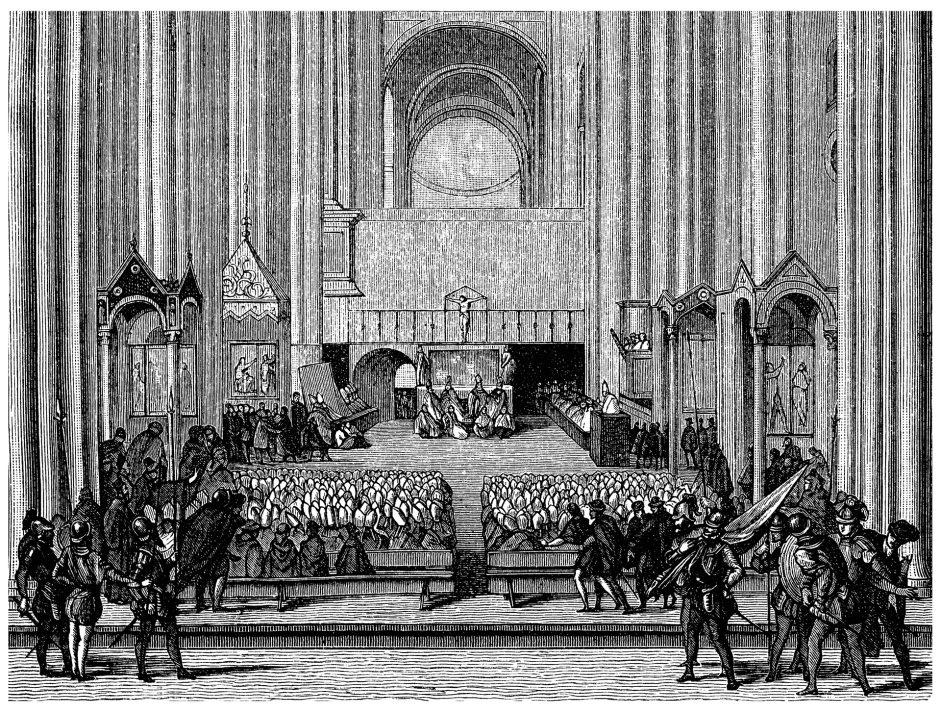
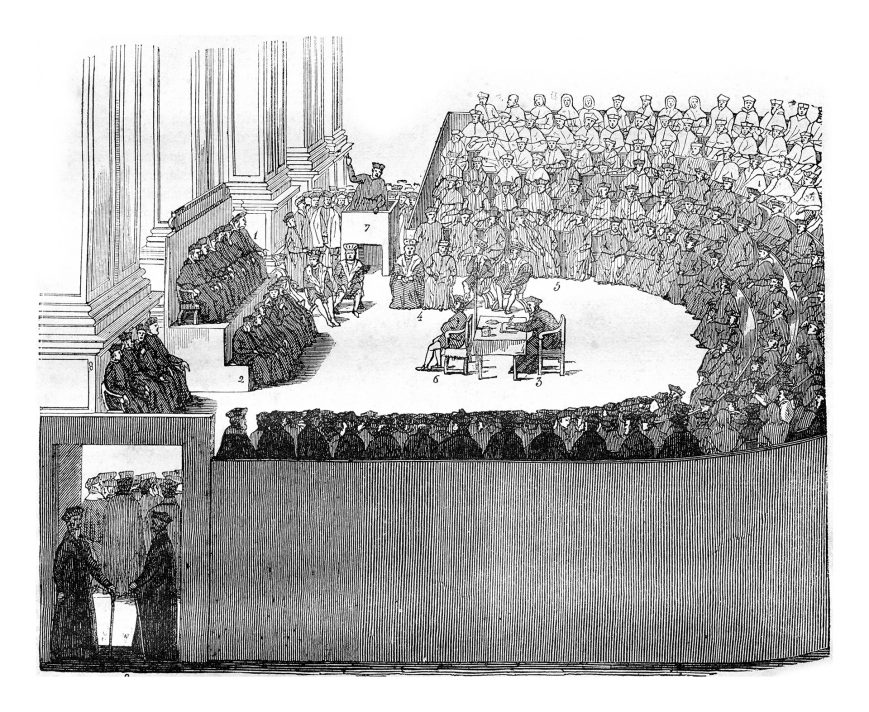 During the Reformation period, the Roman Catholic Church faced a lot of opposition from the protestants.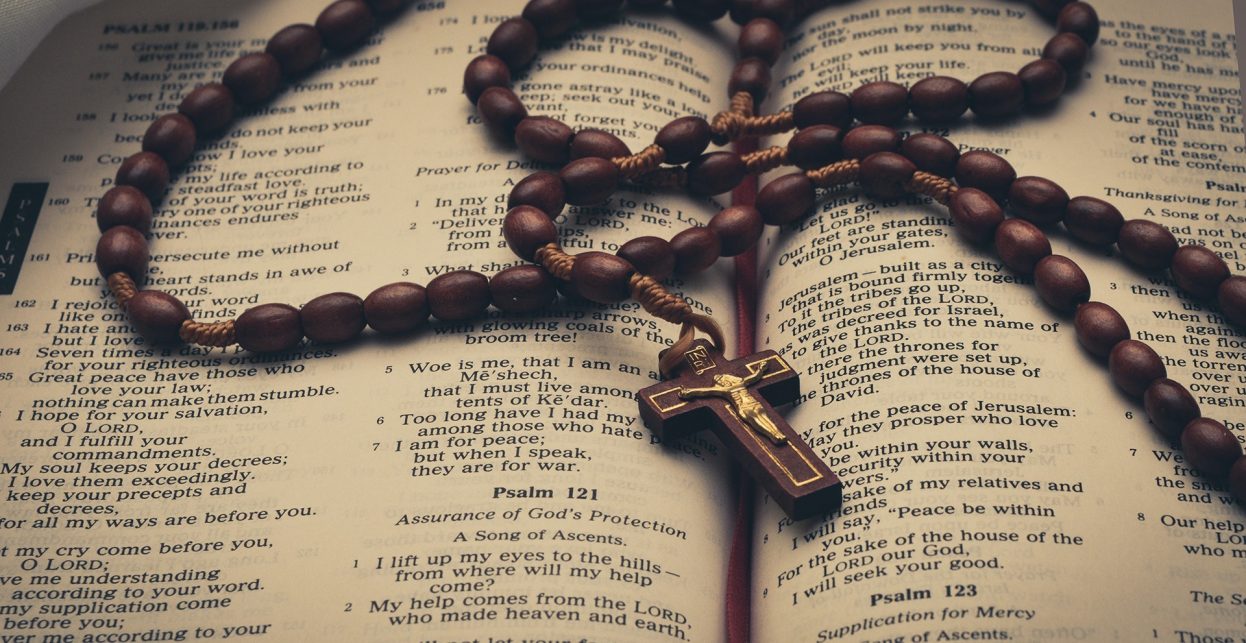
 As stated earlier, the Rosary is both a prayer and a string of beads that is used by the adherents of the Catholic Church to aid in meditation.
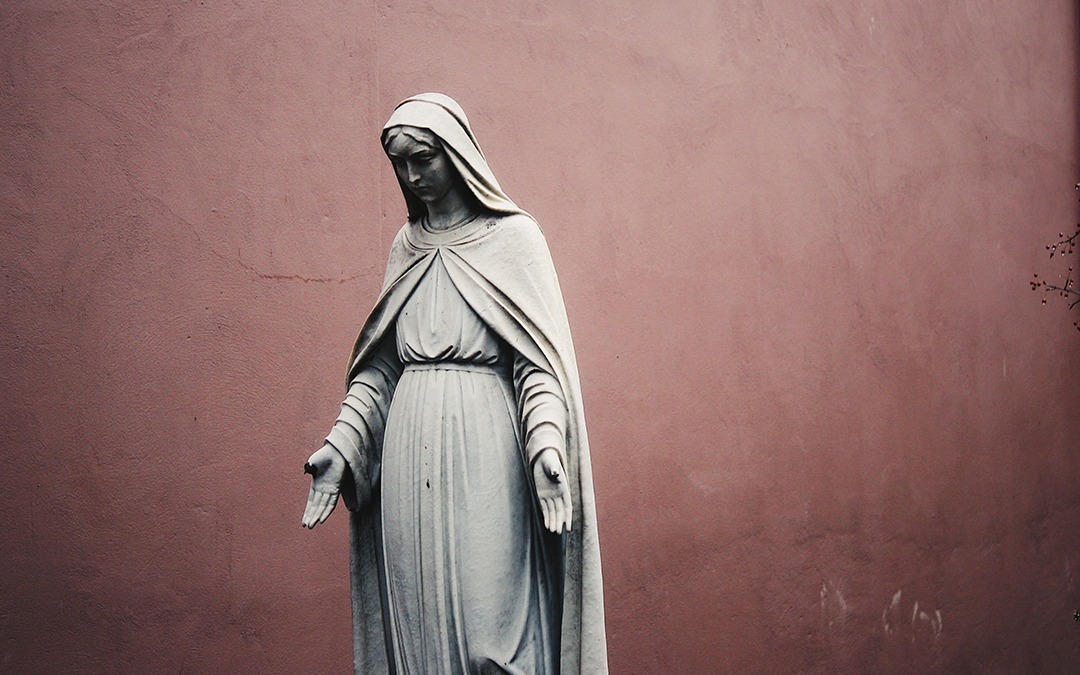 The term Catholicism is used to describe the religion itself, its followers (Catholics), and what it teaches. Catholics believe that their faith was founded by Jesus Christ himself while he walked on Earth as a man over 2000 years ago. The word “catholic” means universal or worldwide; therefore, this branch of Christianity believes in sharing God’s love with the entire world.
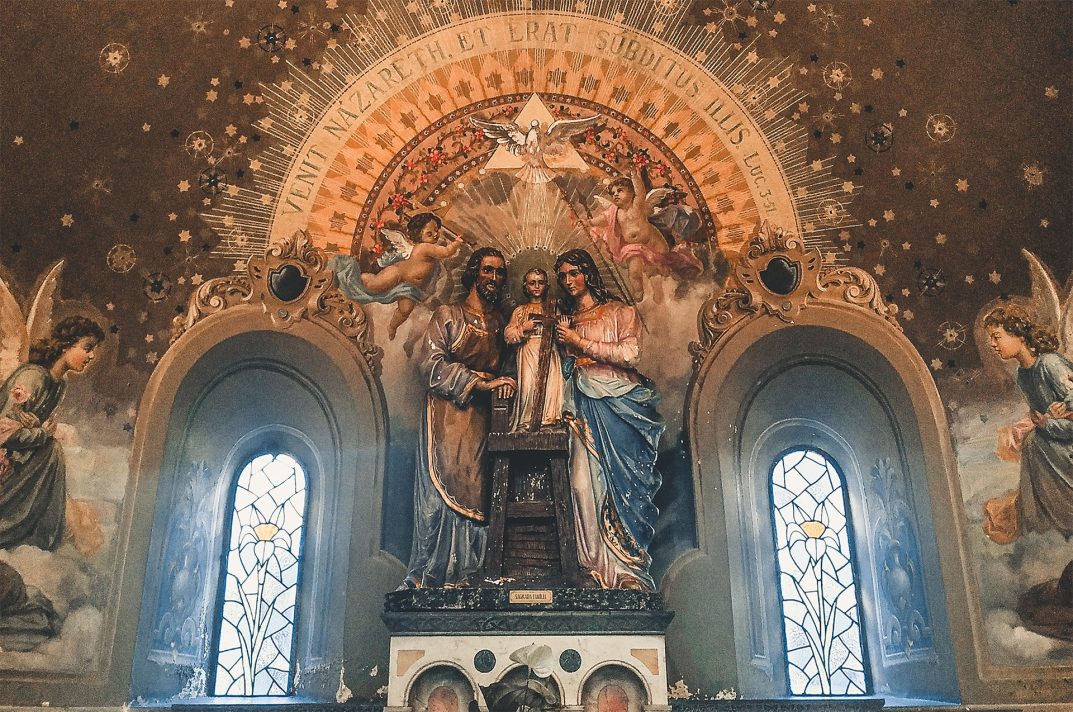 There are special days, often referred to as “holy days,” that align with the Catholic calendar. Each
  Sacraments are celebrations or actions that Catholics do in order to worship God. There are seven sacraments recognized by the Catholic Church, all of which have special prayers and guidelines for how they should be carried out.
 Catholicism and the
 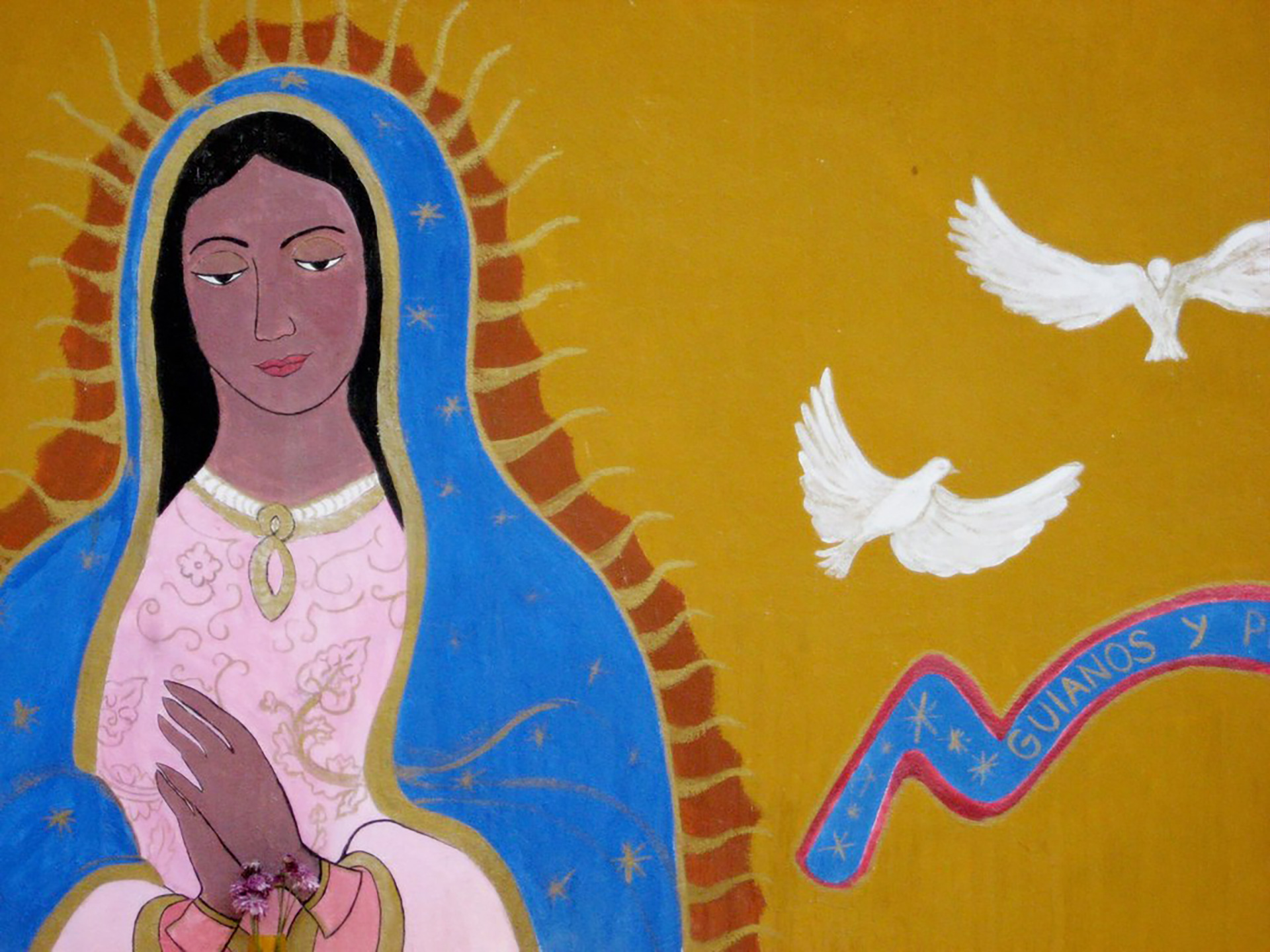 The Virgin of Guadalupe is a title often given to the mother of Jesus Christ, The Virgin Mary. The Virgin Mary appeared to Juan Diego, a man who had converted to Christianity, on December 9th and asked him to build her shrine at the site where they first met, on Tepeyac hill located in the Mexico City suburbs.
 The terms “Catholic” and “Christian” are two of the most commonly confused terms. Catholicism is the largest group of Christianity. This means that not all Christians are catholic, but all Catholics are Christians. This is because Christians can refer to anyone who follows Jesus Christ, including
 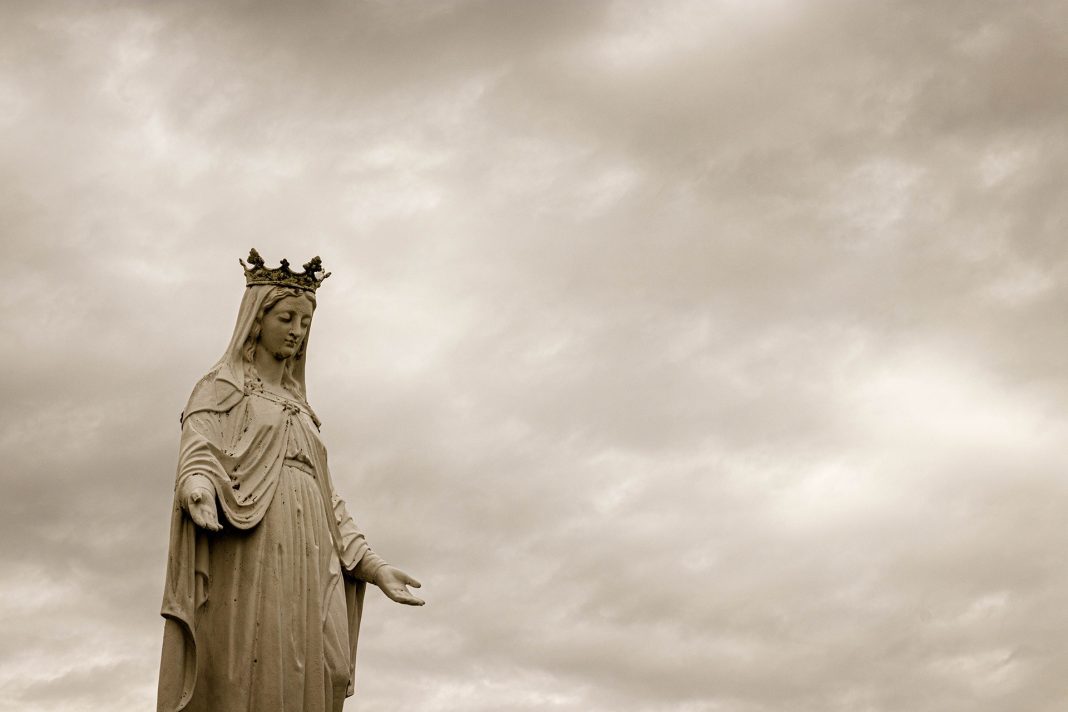 According to catholic doctrines, Mary was lifted into the heavens after her life on earth. Catholics teach that Mary ascended into heaven, not in her spiritual form but in a bodily state. As such, adherents believe that Mary can intercede for them before God through prayer.
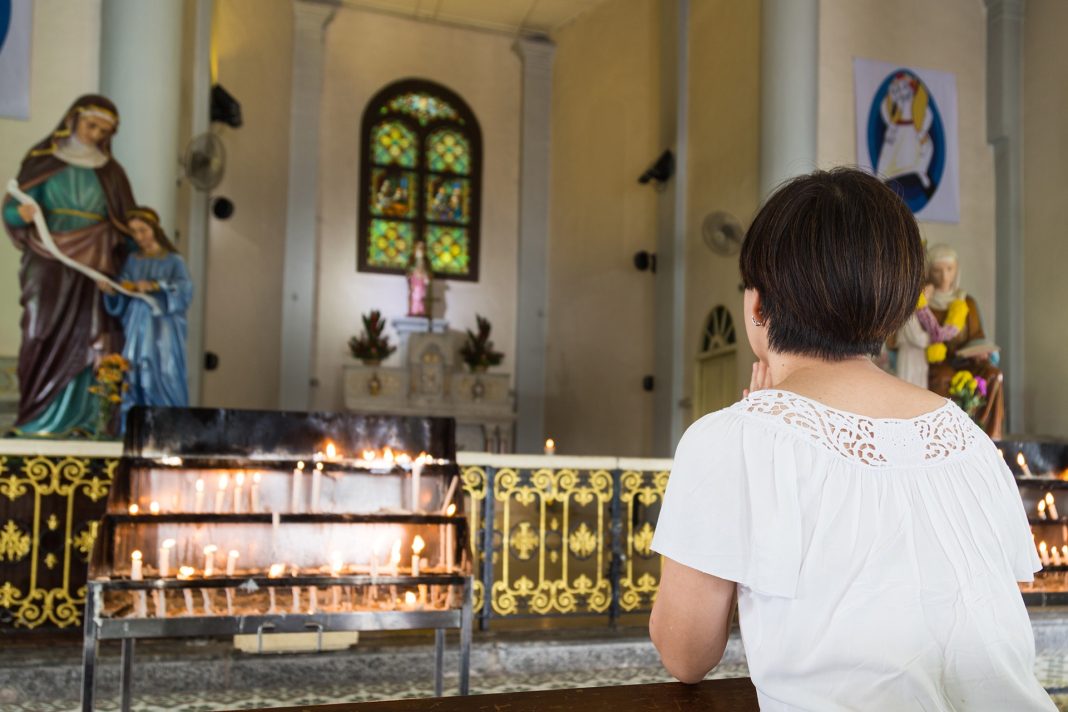
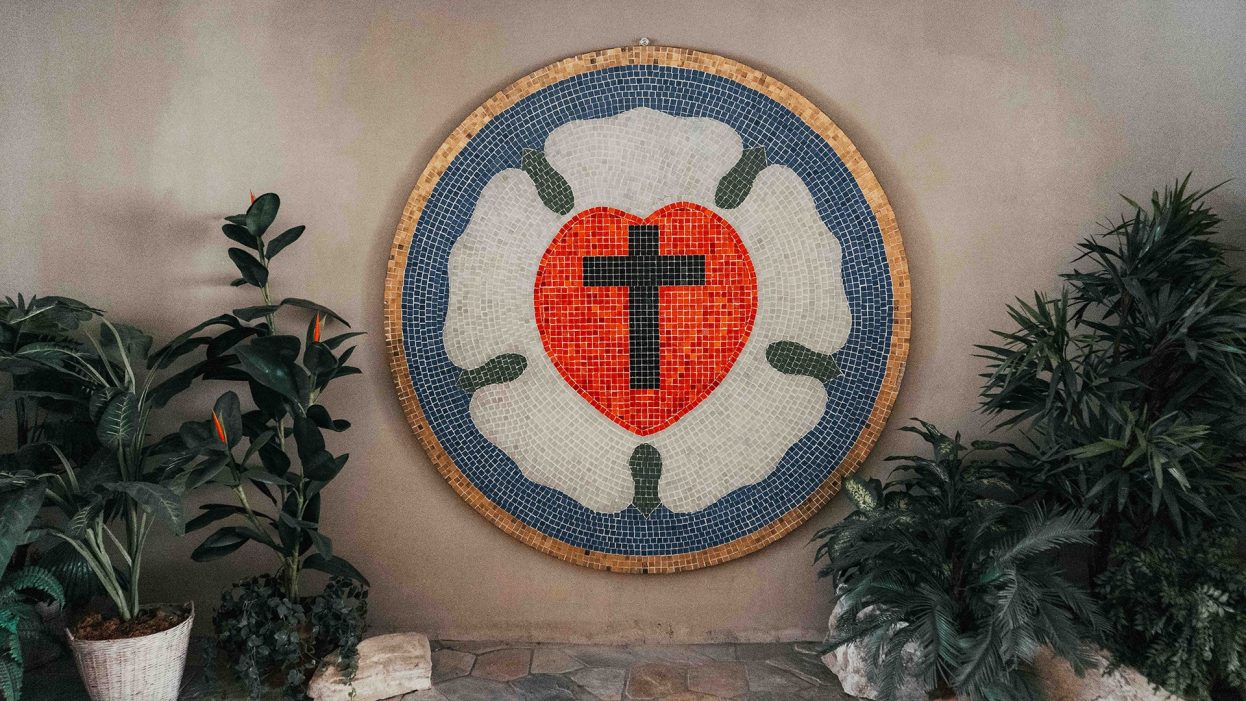
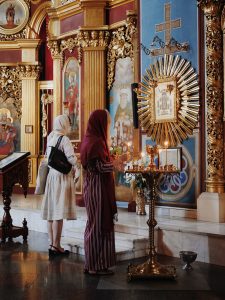
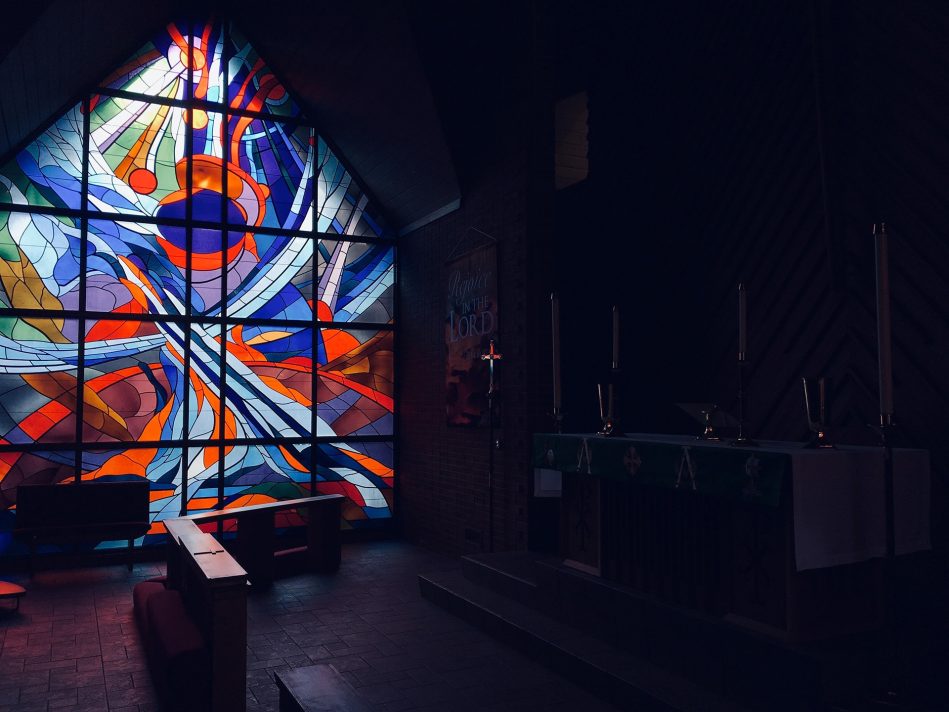 As the oldest denomination under the umbrella of Christianity, Catholics believe and follow the teachings of Jesus Christ.
 The Episcopalian church is one of the few religious groups in the world that identify as Catholics and Protestants. This makes them unique compared to other religious groups because Catholicism and Protestantism are known to be different.
 The fact that Catholicism falls under Christianity means it has a lot in common with most Christian denominations.